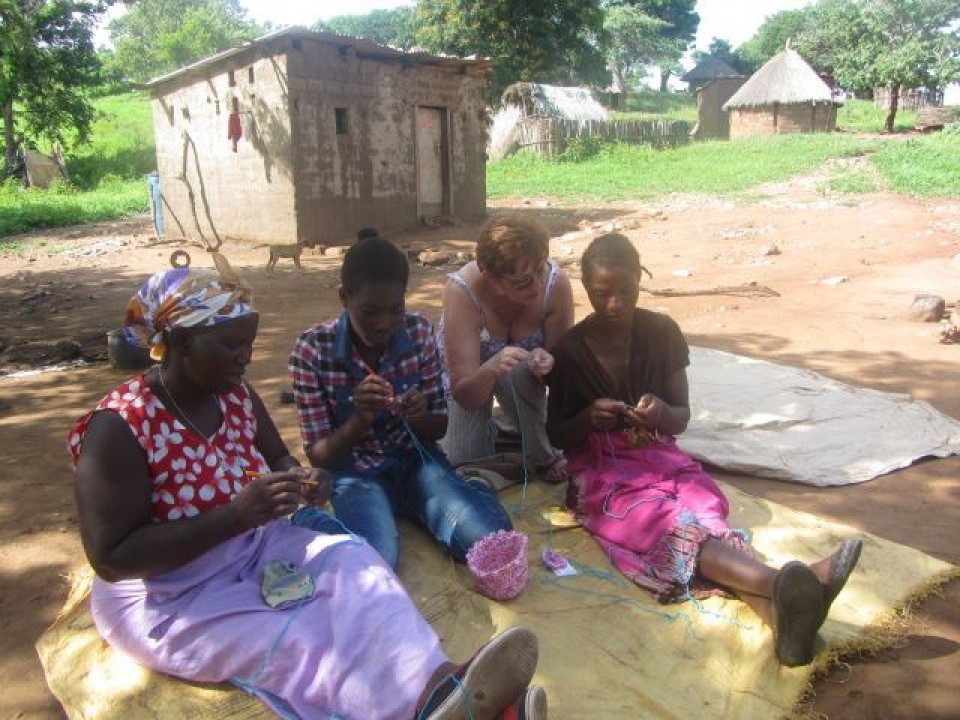
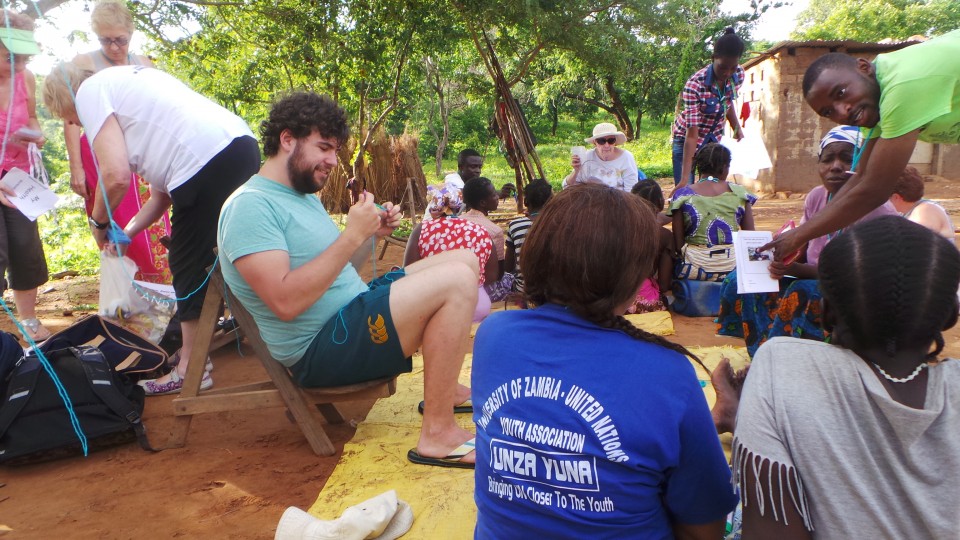
Our team consisted of four professional women, volunteers from the Siavonga Nutrition Group (SNG) and we were joined for a while by four students from the University of Zambia. The plan offered educational activities to school children, and the opportunity to develop literacy and craft skills within women’s groups.
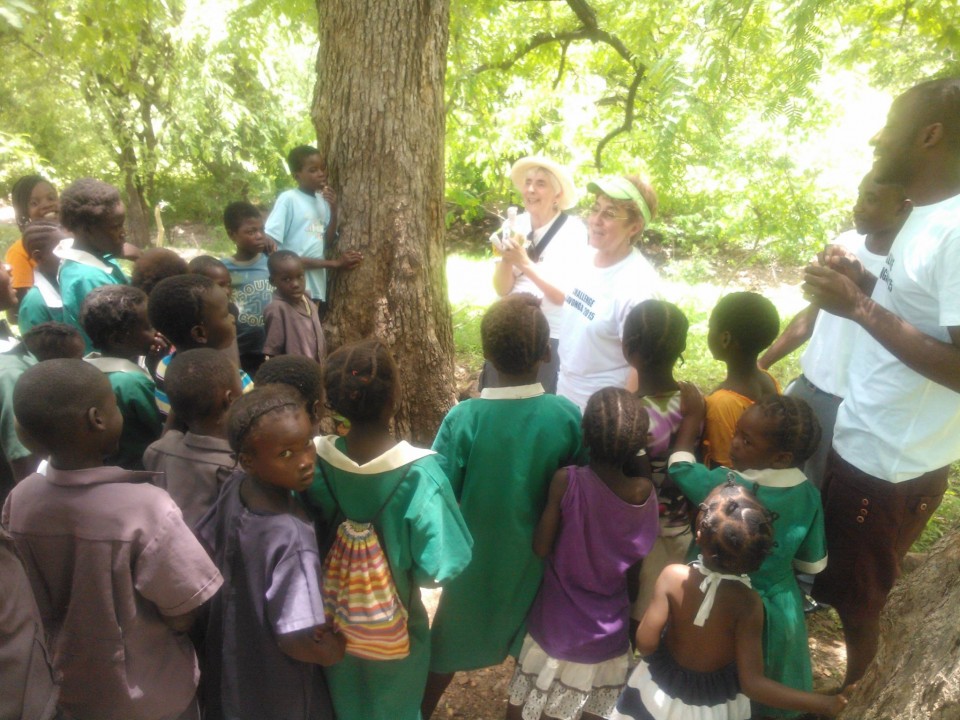
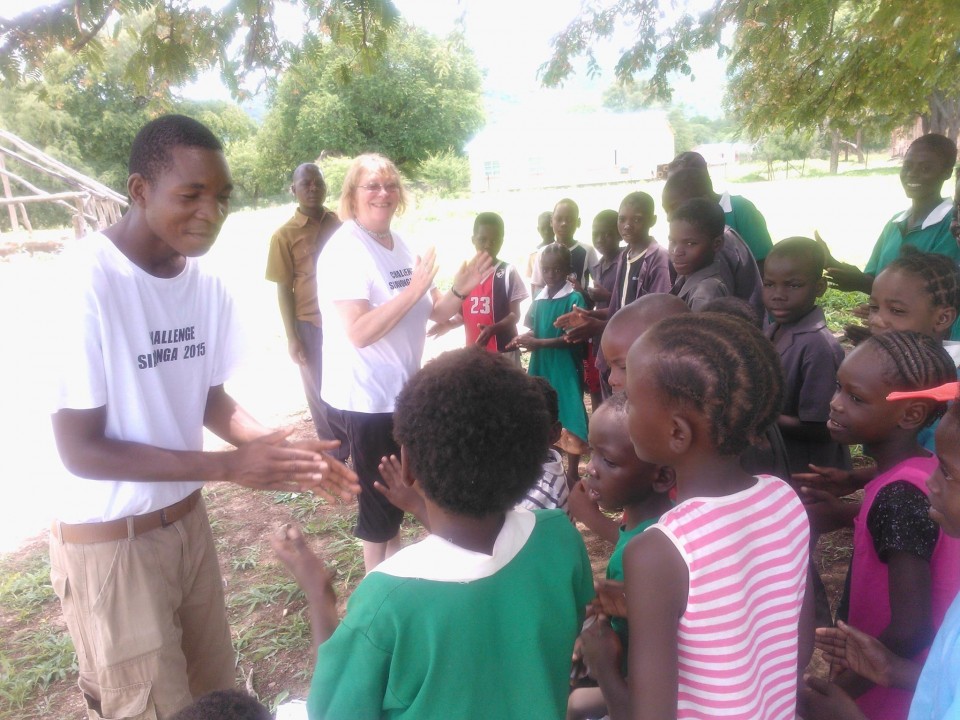
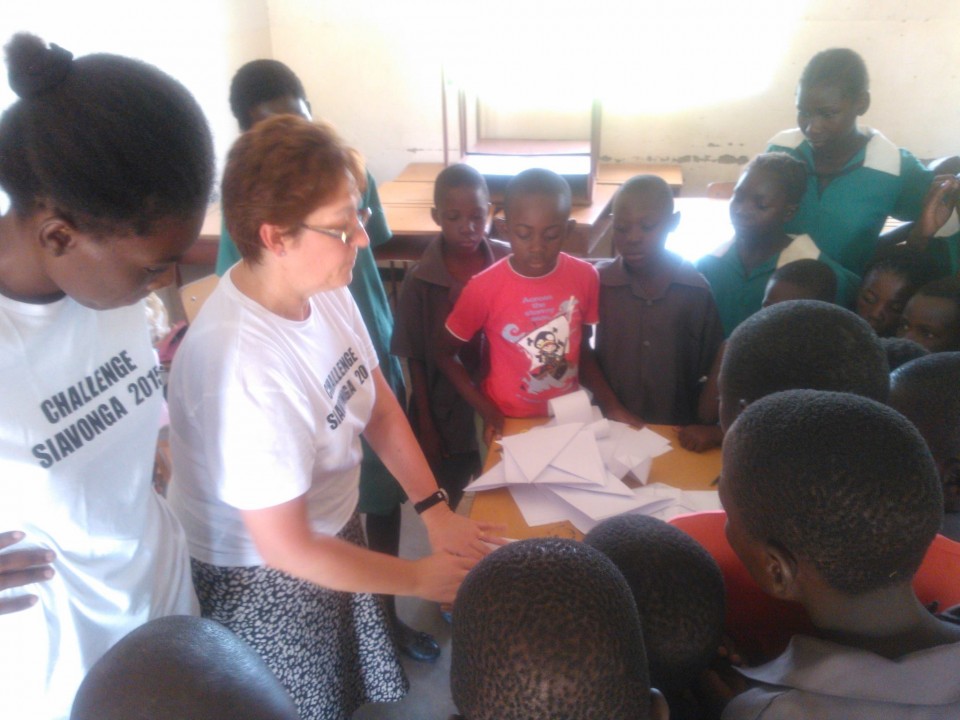
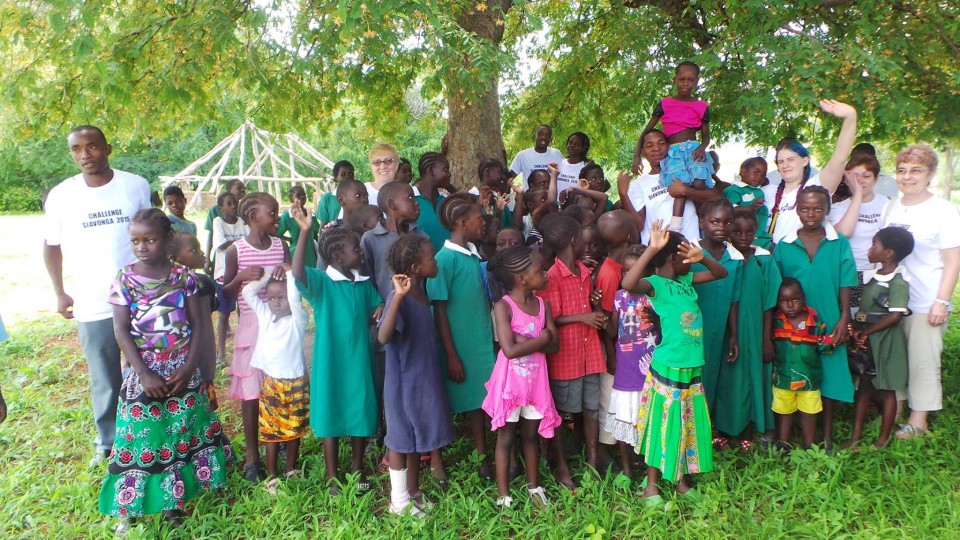
Our January visit coincided with the start of the academic year and the rainy season. The long distance travel to school meant that many children were unable to attend straight away. Three planned workshops were successfully held however, and offered a variety of activities. These included songs, literacy and craft work. Inside the classroom everyone was involved in action songs, which helped to develop listening and speaking. The washing line activity for word building really impressed the teachers. The pupils were keen to learn, and the teachers were positive. They confirmed that they would adopt some ideas in the classroom. Older children at Siavonga high school had high academic aspirations in spite of cultural obstacles. Outside the classroom pupils, children from the village and adults participated in all events. The visits resulted in children having fun whilst learning, and teachers being receptive to new learning strategies.
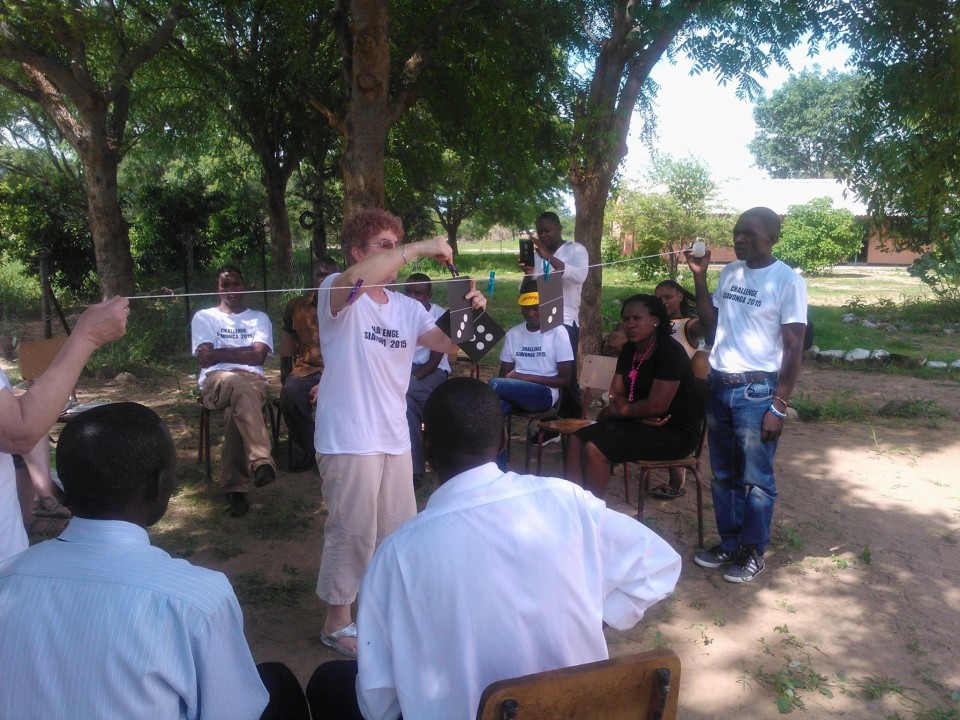
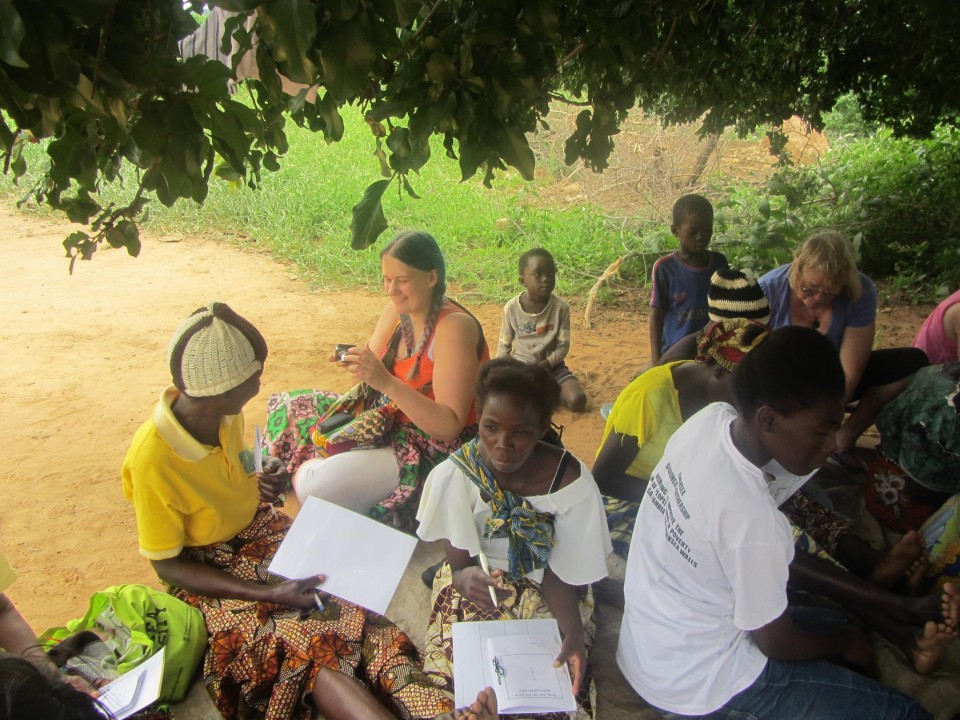
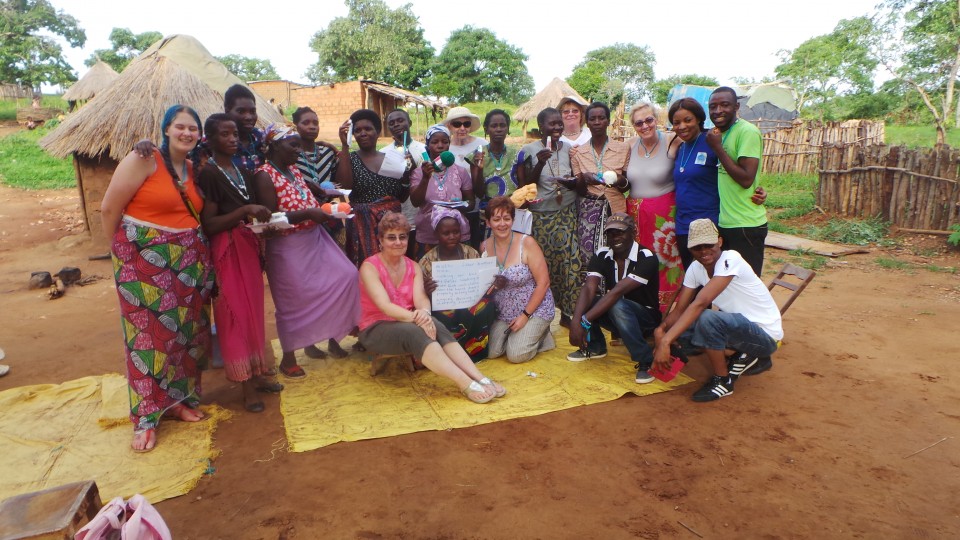
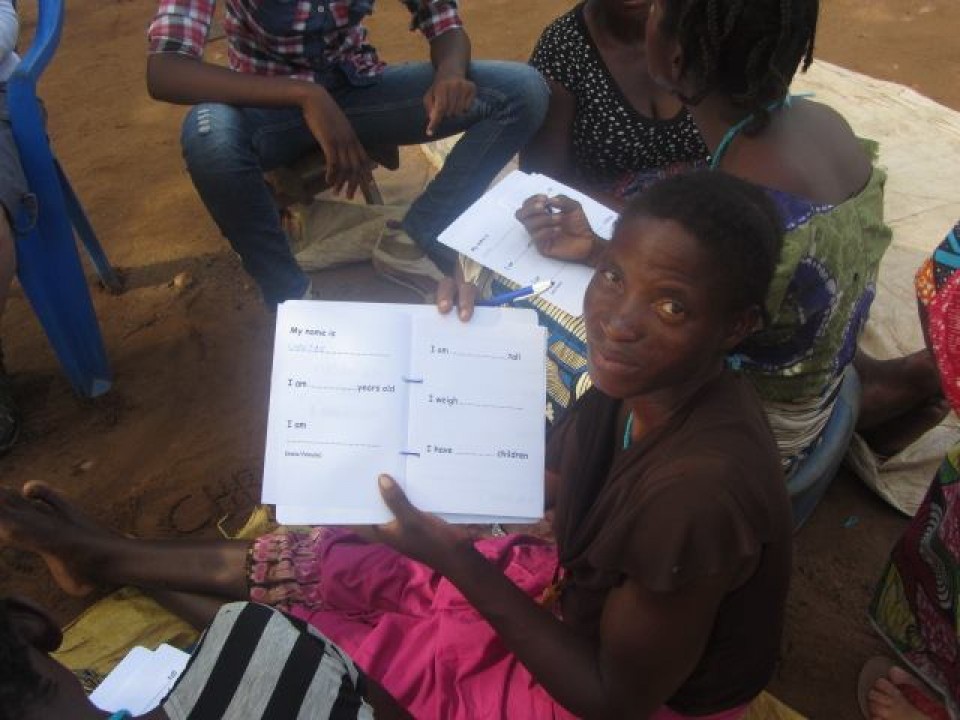
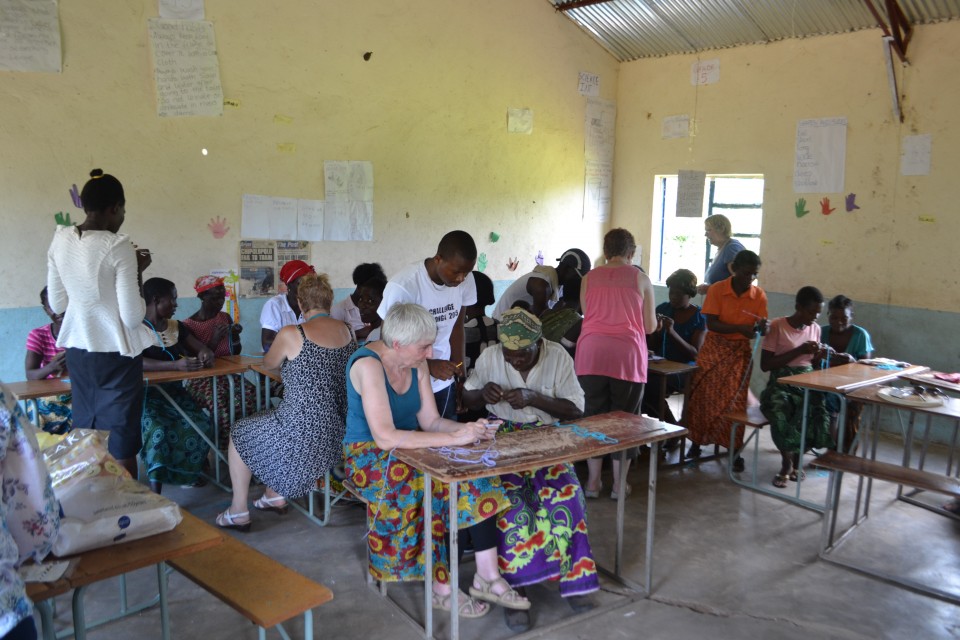
During the rainy season women work in the fields throughout the week, returning only at the weekend, so numbers at the workshops were not as high as expected. We visited three groups to deliver workshops and gather information on their needs. One group had developed a thriving co-operative which was very encouraging. Activities were planned involving development of literacy skills and learning basic crochet stitches to make items for themselves or to sell. The women were enthusiastic and eager to learn to write, and helped each other to improve their sewing skills. The visit raised the possibility of a training centre to maintain this work, and to provide essential education equipment.
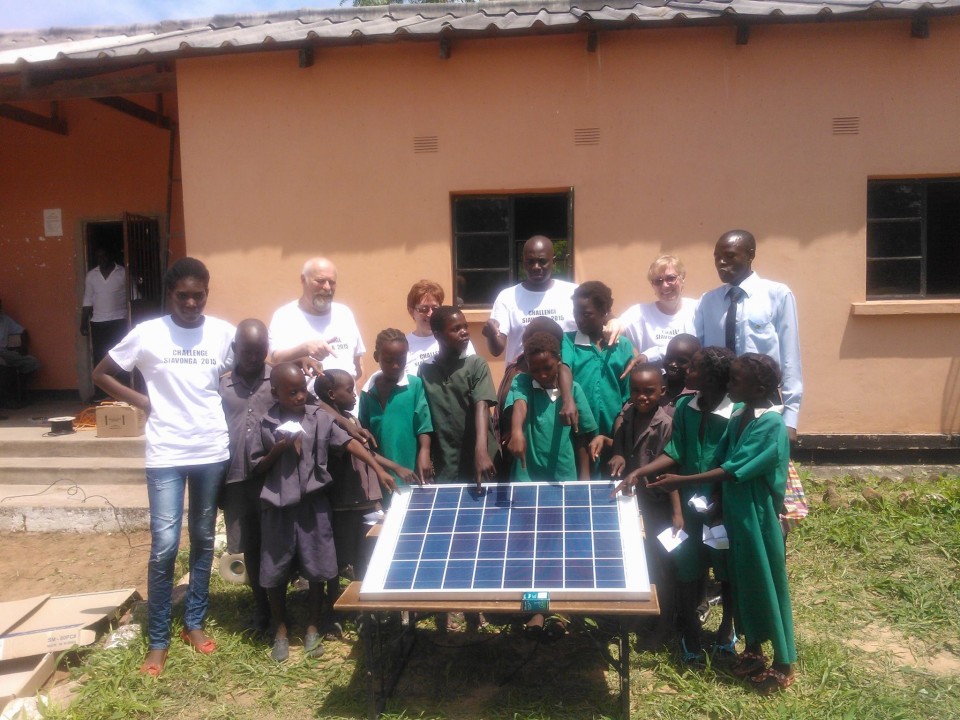
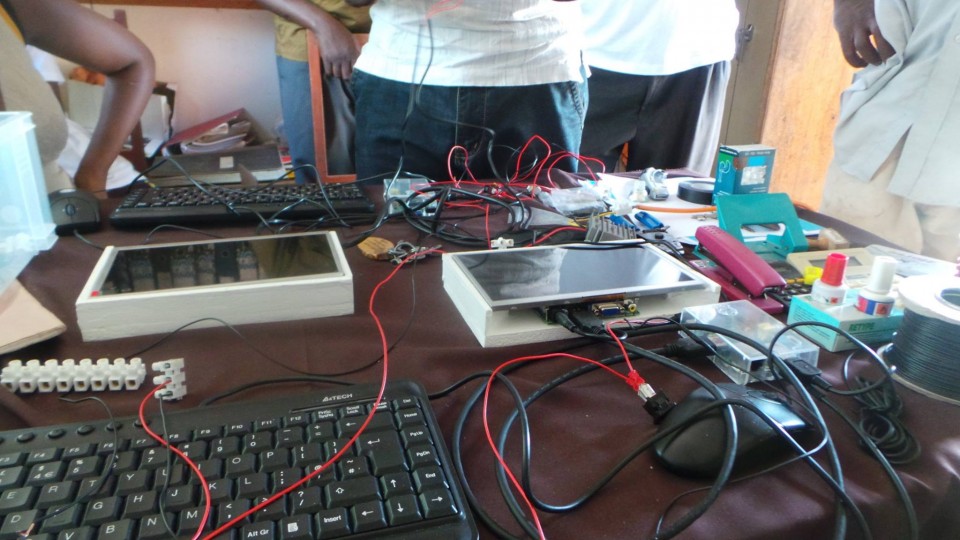
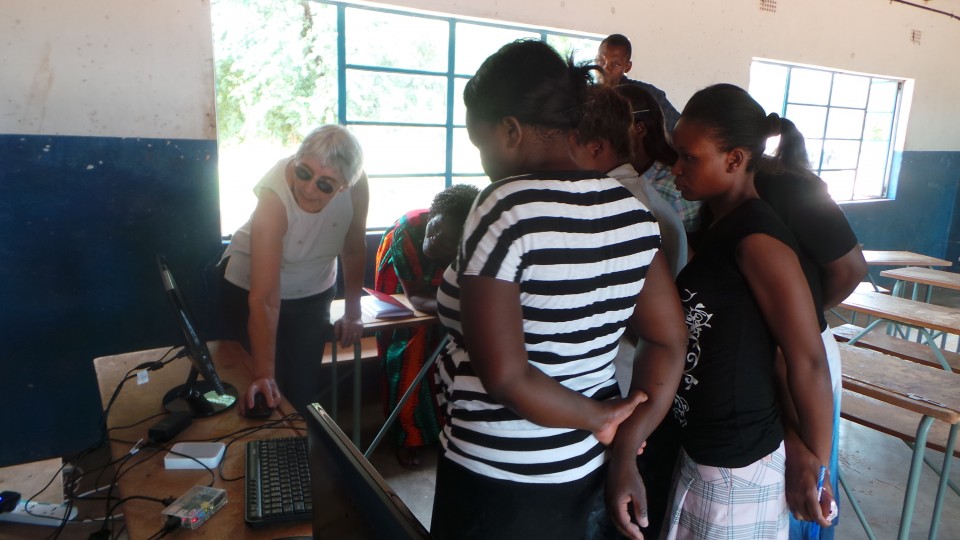
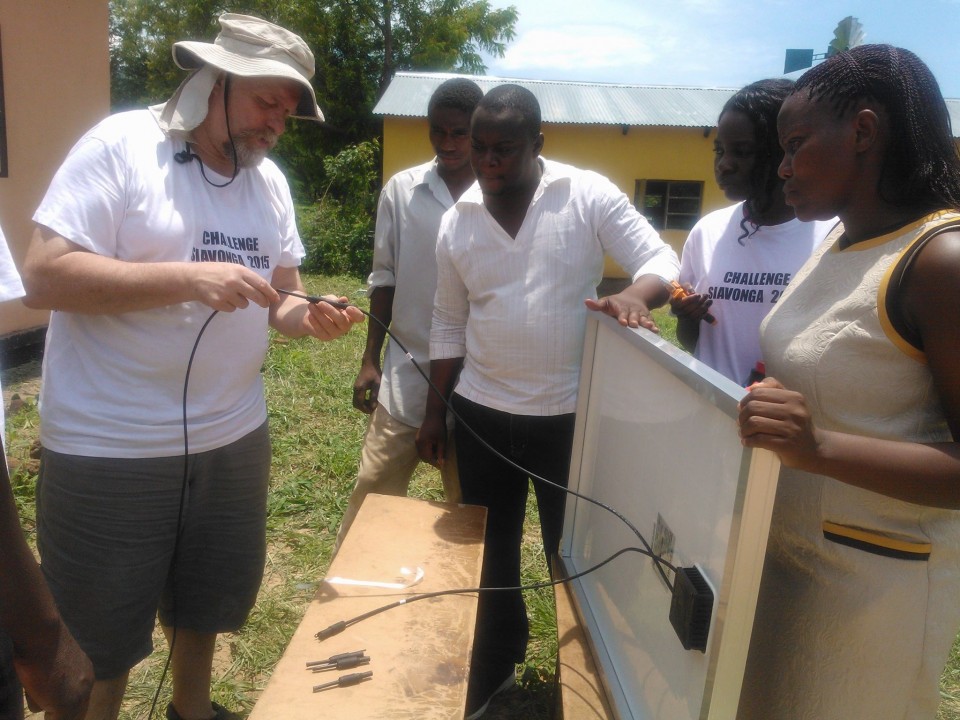
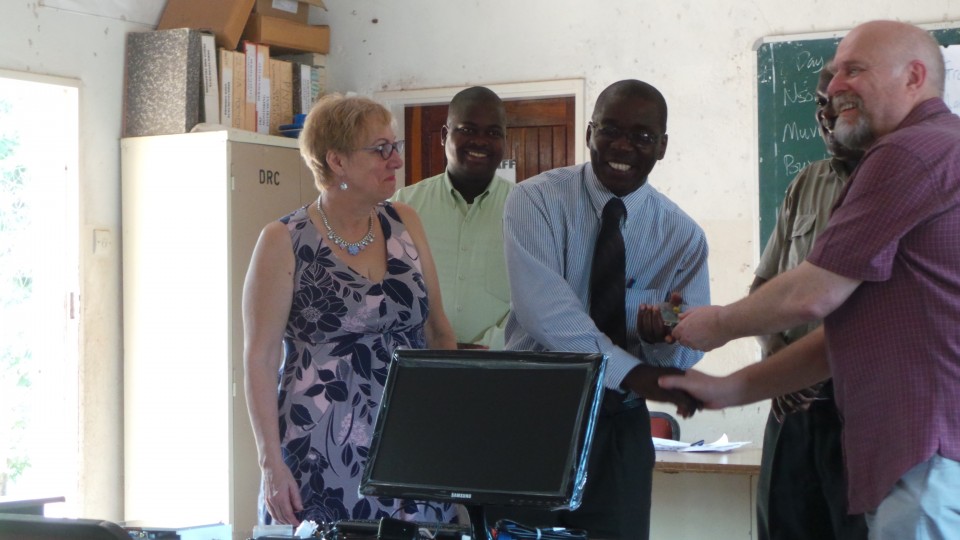
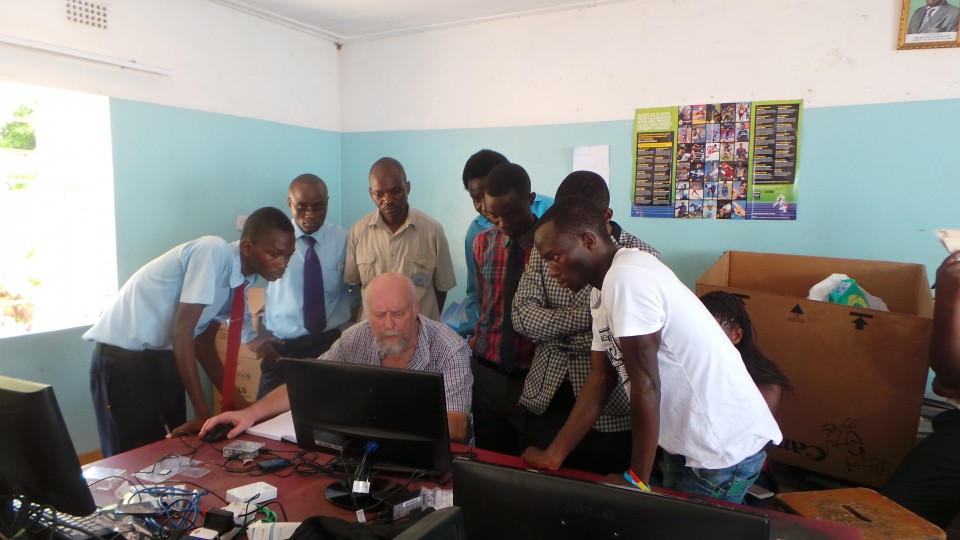
Another exciting but challenging project the tech team undertook was providing and installing a basic computer infrastructure in five of the schools in the partnership, two of which were off grid and had no electricity. The solution to the off grid schools was to install solar panels and deep cycle batteries to provide the necessary power. The computers installed were Raspberry Pis, which are credit card sized computers able to be powered from any 5 volt source. The installation of these computers now means the schools are able to provide the pupils with computer access and deliver and ICT curriculum. An additional benefit was the supply of high intensity LED lights which provided lighting from the same solar grid and battery.
The research team consisting of Aled Thomas, Musuka Mutondo, Graham Zulu and Angelina Shamz undertook six weeks of research on the fishing culture in Siavonga and how it relates to livelihoods in the area. The research involved interviewing certain people (mostly those who otherwise would not have much of a voice in the community) on how they were affected by the fishing practices and asking some to take photos of things and practices that are important to their lives. The stories behind these photos were discussed later. In addition, some biological samples of tilapia fish, mainly used for farming, were taken for genetic analysis on return to Swansea.
This was a very successful project that involved getting some fascinating insights into rural life in the area and some invaluable collaboration with local people that will allow us to really understand the issues facing these people, crucially from their perspective.
Our heartfelt thanks to Eagles Rest for their contribution and support for the team in this successful visit to Siavonga.